
By: Rami Mansi
In a time where we spend more time online than ever before, shopping is one of the many industries that has taken a digital turn.
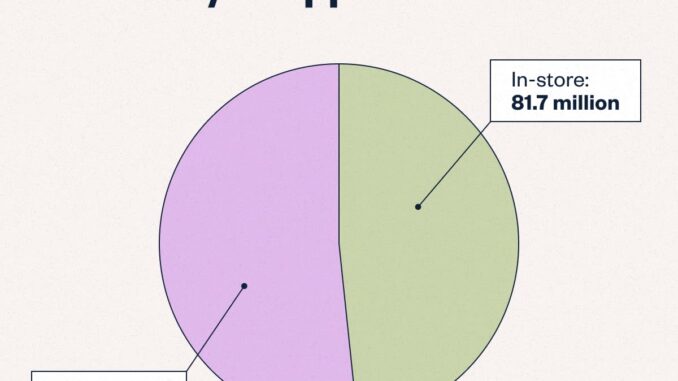
This Black Friday, consumers spent more time shopping online than in stores, driving an all-time high in e-commerce. But what led to the digitalization of shopping? Why have consumers switched to laptops instead of camping outside of Best Buy for the best new deals?
This change in consumer behavior can be traced back to COVID, where the choice to buy in person or online was made for us via a mandatory quarantine. According to Digital Commerce 360, consumers spent $11.9 billion online, up from $9.3 billion in 2019.
By the time 2021 came, not only did consumers feel comfortable shopping in the comfort of their own homes, but companies transformed their marketing and brand strategies to attract and acquire more online consumers. Companies like Amazon thrived during quarantine due to their almost 100% online shopping system and competitive pricing.
Competitive pricing, a marketing strategy where prices are based on the competitor’s prices, is critical for consumers to pay attention to; it’s another reason why online shopping has become so popular. The options presented to you, the more chances you have at choosing the lower price.
The price of an in-person sweater retail price on sale compared to an online seller via Amazon on Cyber Monday could demonstrate two very different prices. Rising prices have been on the rise for quite some time across the entirety of American society. According to CBS News, these prices have been on a fluctuating scale since the peak of inflation in 2022. However, ever since President Trump’s inauguration in January, prices have been steadily increasing once again.
TikTok users have taken to making videos to make fun of the rising cost and equally decreasing sales amounts being given by stores. displaying their disappointment with Black Friday this year. Users expressed how Black Friday used to be a day of full chaos, with people camping and running to make the sales. Other users claim that the lack of prominent sales was a recession indicator.
Several states have been stuck in a recession with economic downturn on the rise, with more states coming to join them, according to Fortune. This recession has hit middle-class Americans the hardest, the same population that makes up the largest number of consumers.
Online shopping is one of many ways the world sticks to a screen, and companies like Amazon have made billions of dollars off this mentality.
It is up to the public to be smart, healthy, responsible consumers when buying content online.