
By: Elianna Tsigler
What began as a simple trend quickly transformed into a global sensation, pulling consumers into its addictive thrill of chance and mystery.
In recent years, a phenomenon known as “blind boxes” has surged in popularity, captivating consumers worldwide and driving mass purchases while normalizing the gambling‑like thrill of chasing rare items and further fueling already existing addictions. Popular examples include Sonny Angels, Skullpandas, Hirono, Chiikawa, Labubus, and many others that have all emerged out of this new trend.
Many brands that produce blind boxes, sealed decorative packages containing a mystery figurine, such as Pop Mart and Miniso, offer the chance to obtain an exclusive “hidden” or “secret” edition, often with extremely low odds, like 1 in 72 boxes. To obtain one of these secrets, you either have to be incredibly lucky or buy an absurd number of boxes.
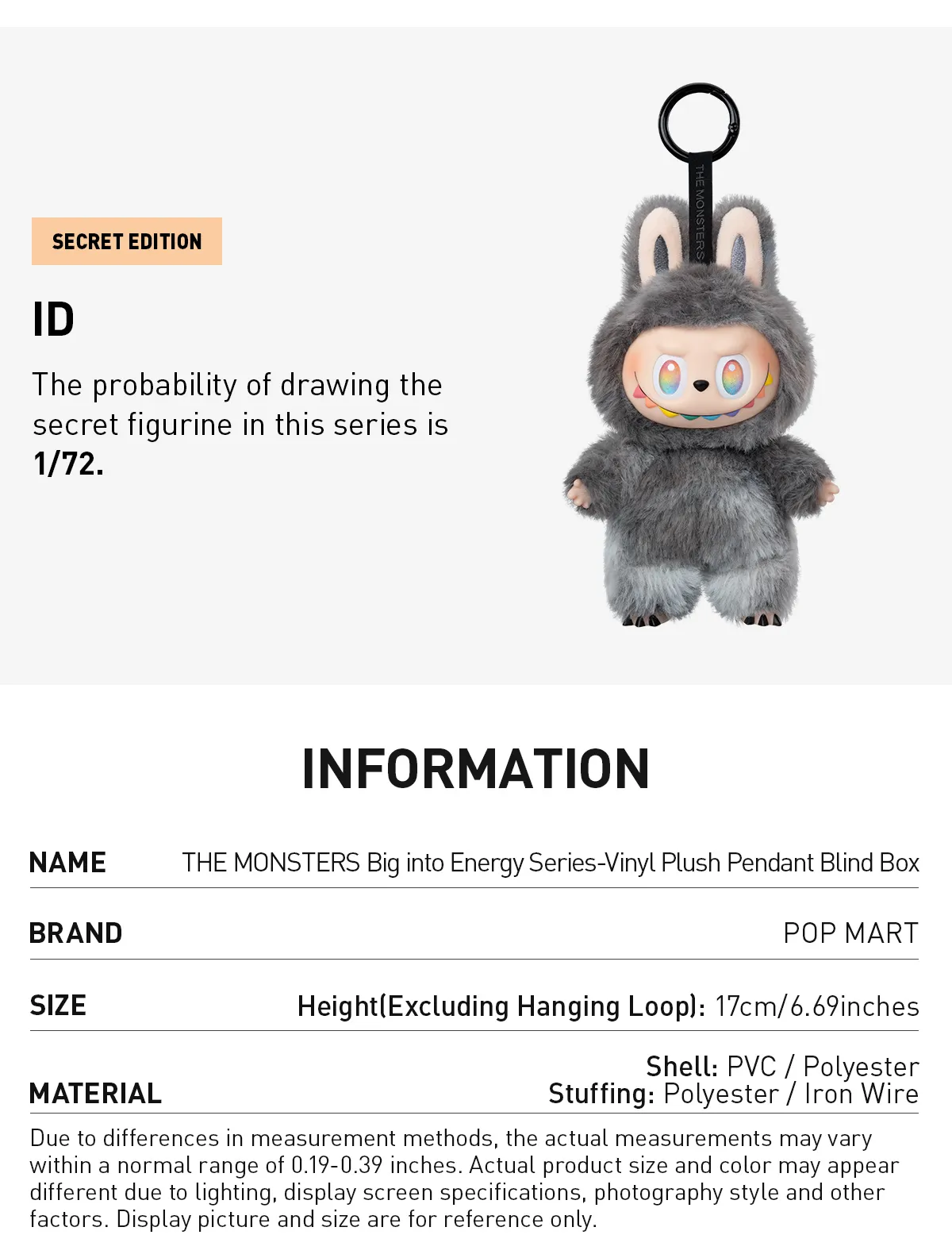
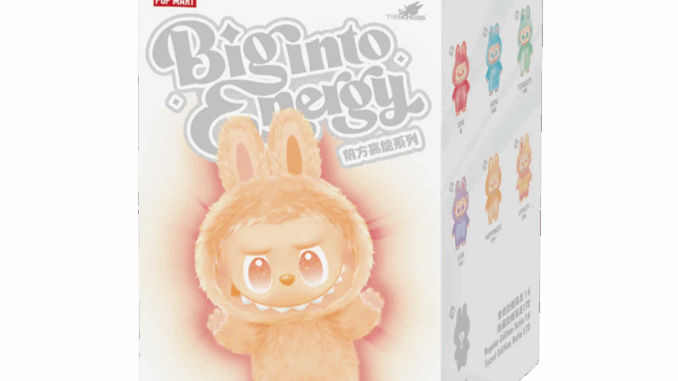
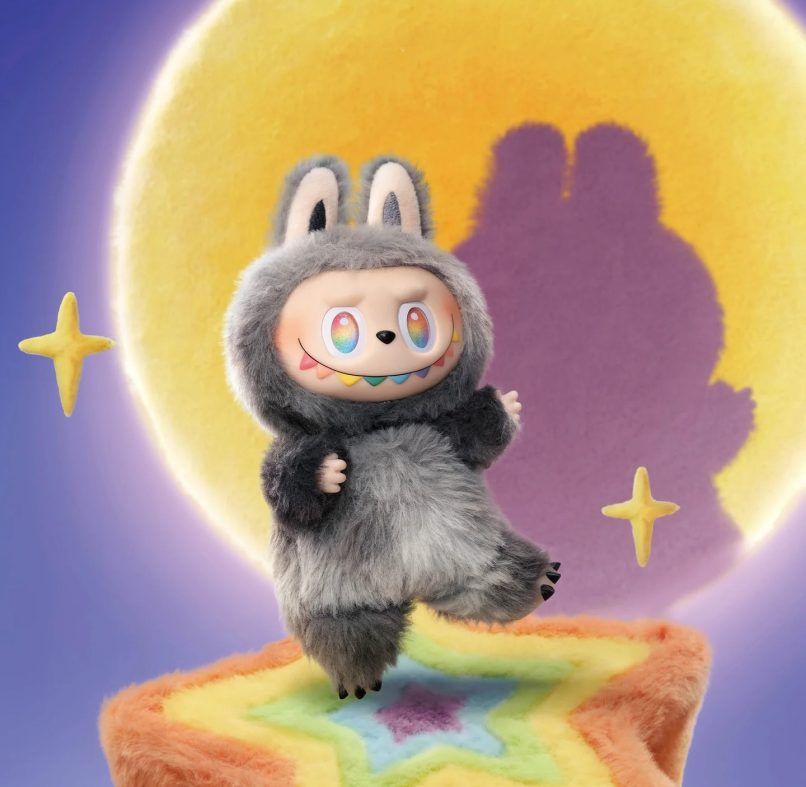
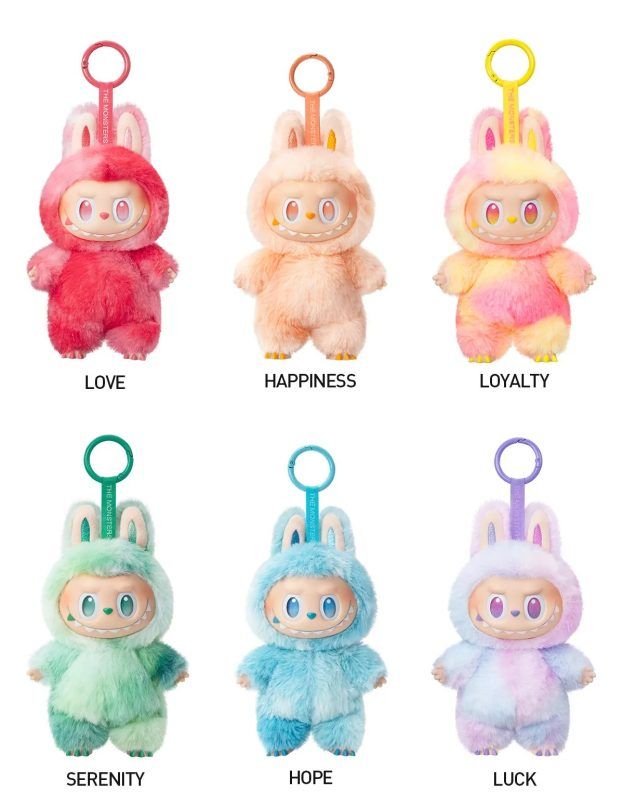
These rare figures often skyrocket in market value, driven by the appeal of owning a limited item that everyone else is chasing. Yet in many cases, the “secret” editions differ slightly from the regular figures. For example, in Pop Mart’s The Monsters (Labubu) Big Into Energy Vinyl Plush Blind Box V3 set, the only real distinctions are that the secret version is gray rather than brightly colored and has rainbow facial features. Despite these minimal discrepancies, this specific Labubu resells for a market value of $100 to $200, with some sellers listing it for well over $400.
Labubus have been around for over a decade, created by Hong Kong-born artist Kasing Lung, who was inspired by Nordic folklore.
His series “The Monsters” introduced the Labubu creatures, and in 2015, he partnered with the company How2Work to produce dolls based on his designs. In 2019, Pop Mart collaborated with Lung, and Labubus began picking up in popularity, however, not to the extent they have now, as stated in an AzCentral article.
The question behind this inflated market value and sudden popularity is simple: why? Why do these items sell for so much when, at the end of the day, they’re just collectible toys?
One major reason for the rise of blind boxes is the influence of popular creators, such as Twitch streamer VanillaMace and other TikTok and/or YouTube content creators, whose whole platforms started with unboxing videos, leading fans to feel compelled to own the same items as their favorite influencers. Studies, including one by Sepideh Samadi and Imran Akhtar, have shown that the widespread use of social media and the resulting parasocial connections can influence how customers’ interactions with influencers impact their buying intentions.
However, the craze for blind boxes began long before VanillaMace rose to popularity.
While Labubu figures already had a strong following among young collectors in China, their global visibility surged after BLACKPINK’s Lisa publicly shared her love for Pop Mart, especially in her 2024 Vanity Fair appearance, where she was recorded praising them, as well as in her own personal posts featuring Labubus. This helped introduce blind boxes to a much wider international audience and contributed to the wave of interest that later took off in the United States.
Another reason is the fear of missing out (FOMO). After the popularity of blind boxes exploded, influencers across platforms began creating their own unboxing and purchasing videos, only amplifying the trend and intensifying the desire for viewers to buy their own. It’s similar to the hype around new Nike releases, where owning the latest drop becomes a social marker and not having it can feel alienating, much like the frenzy that surrounded the release of Air Force 1s, or any new shoes.
As the blind boxes offer rare prizes, the scarcity principle comes into play here. Since there is high demand and low supply, prices need to increase to compensate, resulting in a lower demand with the goal of reaching equilibrium. However, this has not been proven effective with the blind box craze and merely leads to outrageous prices and market inflation.
The scarcity and urgency built up around blind boxes is another factor driving their surge in price. Scarcity increases impulsive purchasing by triggering feelings of urgency and uncertainty, especially when products are limited in quantity or available only for a short time. For example, blind boxes often sell out quickly, not just because of their popularity, but because consumers feel pressured to secure one before they disappear, creating a competitive rush to buy. This is considered demand scarcity. The shortage isn’t caused by a lack of products, but by the overwhelming number of people who want them. In other words, the scarcity comes from the consumer side, not the supply side.
With this idea in mind, it’s important to note that a single blind box, mainly from the Labubu and Skullpanda series, typically costs between $30 and $50. For many people, that’s a significant amount of money for a small collectible. Yet the pressure created by hype culture, influencers, and FOMO often pushes consumers to buy them anyway, especially the younger audiences.
Mystery has always been a large part of consumer culture, whether it’s Pokémon cards, where you buy packs unbeknownst to what might be inside, loot boxes in video games, or blind boxes that rely on the same thrill of the unknown; it’s all predatory and strategically designed to exploit customers.
While the Labubu craze has quieted down, there are still concerns that have been raised about the psychological and financial consequences of blind‑box purchasing. Given its structural similarities to gambling, scholars have described the blind box economy as potentially addictive, noting that it can lead to financial strain, emotional distress, and other serious negative impacts on well‑being.