
By: Giovanni M. Ravalli
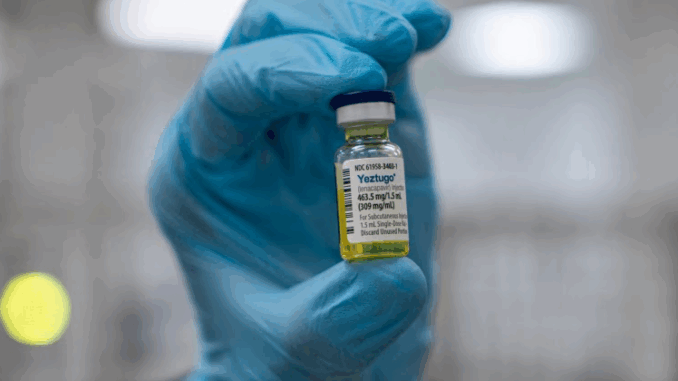
On June 18, the U.S. Food and Drug Administration (FDA) approved a new PrEP (Pre-Exposure Prophylaxis) regimen developed by Gilead Sciences.
HIV is the virus that causes AIDS (acquired immunodeficiency syndrome). Once infected, the virus invades the CD4 T-cells, which are responsible for fighting disease and pathogens. Without treatment, the virus weakens the body’s immune system, making it harder to fight off illness and opportunistic infections.
“Yeztugo could be the transformative PrEP option we’ve been waiting for—offering the potential to boost PrEP uptake and persistence and adding a powerful new tool in our mission to end the HIV epidemic,” said Carlos del Rio, MD, Distinguished Professor of Medicine in the Division of Infectious Diseases at Emory University School of Medicine and Co-Director of the Emory Center for AIDS Research in Atlanta. “A twice-yearly injection could greatly address key barriers like adherence.”
PrEP is a drug regimen aimed at preventing HIV (Human Immunodeficiency Virus) infection. First introduced and marketed to the LGBTQ+ community in 2012, Truvada, the first ever PrEP drug, made waves in the fight against HIV. With a 99.9% success rate, there was finally a drug that protects against HIV. PrEp evolved over the years from Truvada to Descovy, both once daily pills, to a bi-monthly injection. The most recent FDA-approved evolution of PrEP is a bi-annual injection named Yeztugo.
PrEP medications, including Yeztugo, prevent HIV transmission by blocking the virus’s ability to make copies of itself if exposure occurs. Until now, PrEP has traditionally been a once daily regimen in order to be effective. Skipped doses lessens its effectiveness. Yeztugo is a game-changer for those who have trouble remembering to take a daily pill.
“The opportunity for particularly LGBT people to have a tool that they can take and use twice a year vs every single day to help eliminate their chances of getting HIV is incredible,” said Joe Scarpetta, Programming Assistant at the BC LGBTQ+ Resource Center.
Recent data from the Centers for Disease Control and Prevention (CDC) shows that 36% of those eligible for PrEP are already on it. This data indicates lower uptake among women, people of color, and heterosexual populations compared to white gay/bisexual men. On campus, only two students have inquired about PrEP at the BC Health Clinic since Fall 2024.
“I have limited experience with patients on PrEP here,” said Le-Jeune Sealy-Horsford, DNP, Director and Nurse Practitioner in the BC Health Clinic. “When I did work in an urgent care center, I did prescribe it a lot more.”
According to Gilead Sciences, barriers including adherence challenges, stigma, and low awareness of existing PrEP options—by both healthcare providers and consumers—contribute to this low uptake of PrEP across multiple populations.
“Yeztugo is one of the most important scientific breakthroughs of our time and offers a very real opportunity to help end the HIV epidemic,” said Daniel O’Day, Chairman and Chief Executive Officer of Gilead Sciences.
The LGBTQ+ community would be the ones who are inquiring the most; however, CDC data shows that all populations are not yet using PrEP at rates that could end transmission of the virus. Public health experts emphasize that awareness campaigns to reach heterosexual populations, rural communities, and women is crucial. Cost and access also play a role. While most insurance plans cover PrEP, patients without coverage may face barriers to affording it.
“This benefits everyone,” said Scarpetta. “Anyone who is sexually active I think should be on PrEP. HIV is not something that is isolated to one community.”
The BC Health Clinic offers a free one time STI screening to students 26 years old and younger. This includes screening for gonorrhea and chlamydia through the urine, syphilis through the blood, and rapid HIV testing. For PrEP, the process consists of a consultation, blood work to confirm HIV negative status, STI screening, and a comprehensive metabolic panel to check liver and kidney function. Results come back in a few days, at which point a prescription is forwarded to the patient’s preferred pharmacy. This includes ongoing treatment with refills.
“Any questions or concerns they’re more than welcome to schedule an appointment at the clinic. We’re open Monday through Thursday,” said Sealey-Horsford, DNP. “You could either walk in or schedule an appointment via Navigate360.”
Students interested in HIV testing, STI screening, and PrEP are encouraged to visit the BC Health Clinic located at 114 Roosevelt Hall.