
By: Serena Edwards
For centuries, African American (AA) culture has been policed and criticized. Even in present circumstances, Black fashion is often policed and diminished. Though there is criticism, the AA community converts society’s external hatred into internal power.
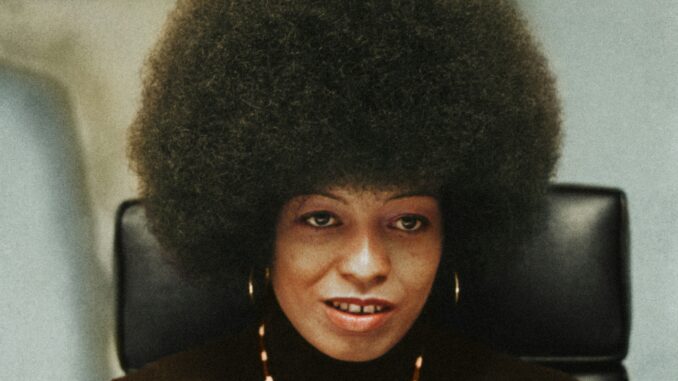
Black hair has been classified as untamed and difficult, with a push for European hair types; AA hairstyles were silenced. Even down to which hair types are more accepted in society to wear in an afro than others. During slavery, enslaved people used cornrows, not only as a fashion statement but also as a way to communicate with one another. The afro has been used as a political statement, specifically during the Civil Rights Movement.
Activist Angela Davis famously wore an afro as a statement against societal norms. The afro empowered a natural hair movement for AA people and emphasized the beauty that is held within our crown.
Locs have recently made a comeback within society and have become more accepted and romanticized; however, that has not always been the case. During the Rastafari movement in Jamaica, locs that were formally called dreadlocks, and were seen as“dreadful” to the white/European community, since the style challenged Eurocentric ideals. Locs hold meaning that is woven into African history and slavery.
In Africa, locs were worn by a plethora of groups, such as the Yoruba and Maasai tribes. Locs also affirm the AA community with a sense of resilience and resistance against European beauty standards.
When people wear locs, they use them not only for aesthetic reasons but also as a testament and a sign of resistance.
The Crown Act, which stands for “Creating Respectful and Open World for Natural Hair”, protects marginalized communities, specifically the AA community, against discrimination for their hair. Though the act passed in 30 states, there are still 20 states that have yet to follow in their steps.
The AA community didn’t only use hair as a political statement, but clothing and accessories as well. Notable fashion companies such as Denim Tears, founded by Tremaine Emory, have used symbolism in their clothing to assert a new narrative on what African American history can be.
Another sense of fashion that has now become a statement piece is the Kente Cloth and the Dashiki. The Kente Cloth descends from African culture, specifically in Ghana, from the Ashanti tribe. Many African American graduates integrate kente cloth within their stoles during graduation. The Kente cloth represents royalty, stature, and cultural pride.
The simplicity in AA fashion was a clear statement in itself. During the Civil Rights Movement, there was a theme of wearing their “Sunday’s Best”. During the Selma to Montgomery march, men and women wore the outfits that are primarily worn at church and formal events. This was to signify the dignity that AA people hold and the seriousness of their rights. There was a bias already created about Black people, and they didn’t want what they were wearing to play a negative role in the message they were sending.
“That sense of dressing for dignity was part of the Black experience, both inside and outside of a protest or movement,” according to Women’s Wear Daily.
Leather, though simple, was utilized by many civil rights groups, including the Black Panther Party (BPP). This provided a different message from other civil rights movements. While other movements wore more socially accepted outfits, leather provided an edgy perspective.
The BPP used leather and afros to say, “ I have rights, so I’m not going to ask for them.”
But political fashion statements within the AA community were not limited only to civil rights movements. During the 90s, rap and hip-hop artists used fashion in their music videos to help bring awareness through not only their lyrics but the outfits worn throughout the videos. A perfect example of this is through their use of Bamboo earrings. Bamboo earrings were used as a form of self-expression within the music industry, with custom designs and engravings in the earrings that brought creativity to the accessories worn. It allowed artists to be unapologetically themselves without caring about what the media portrayed about them.
In present times, statement t-shirts have made an impact. A monotone shirt with a one-liner that packed a punch. During the wave of Black Lives Matter protests that started in 2016, these shirts sent a message without having to overexplain their meaning. When the world stood silent, these shirts did the talking. It sent a message that, though they try to politicize the narrative, we can use a different way to get our message across.
There was intentions behind all the political fashion statements.