
By: Serena Edwards
Comedy has been a way to find comfort in taboo topics for years. In today’s society, comedians have evolved to sharing jokes catered to our current social norms. However, controversial comedians across comedic subgenres are sparking the question: What does it mean to be a comedian in this society?
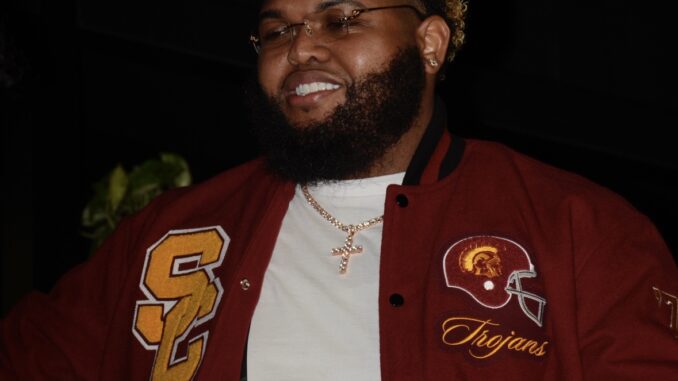
Drew Desbordes, popularly known as Druski, is an online comedian who started posting comedy skits on social media in 2017. His popularity skyrocketed during the pandemic, with his humorous posts bringing relief in such a devastating time. His hyperrealistic comedy on social media gained him fame and notoriety at a meteoric pace. His work has been posted for years, but recently his skits have been a part of public conversation.
Druski’s most recent skit has sparked controversy when he used cosmetics and stereotypical mannerisms to portray the archetype of a “white conservative woman.” Some of the segments throughout the skit bore similarities to Erika Kirk, the wife of the late right-wing podcaster Charlie Kirk. This posed the question for many on how far jokes are meant to go and whether it would be okay if the roles were reversed.
Unlike the skit Drukski did, if roles were reversed and Blackface was done, the skit would be deemed derogatory immediately because of the gruesome history Blackface is tied to.
Blackface was a derogatory form of entertainment used in Minstrel shows that depicted negative stereotypes of the Black community. Actors utilized darker makeup to further push the dehumanizing narrative, which contributed to the stereotypical perception of Black people.
Whereas in comedies such as the 2004 movie, White Chicks, the portrayal of white women is viewed with a light-hearted perspective and reinforces the “ideal” model of a woman. Blackface has been used to demean Black people and compare them to animals instead of people, which isn’t the same intention Druski had with his skit.
Though comedians may have a different intention for their jokes, the impact of them blurs the line between being deemed as a joke or an insult.
In another skit, Druski joked about the current state of Christian megachurches and how pastors use the pulpit for fame and attention, rather than to spread biblical doctrine. This offended many Christians and started conversations on what comedy looks like today.
While some find comedians funny, others criticize them for their controversial jokes, including becoming physical with them.
But this isn’t the only time that comedy has had boundaries placed upon it. Stand-up comic David Chappelle made a joke that led to him getting ostracized from internet culture for a time, otherwise known as getting canceled. In his 2021 Netflix comedy feature, “The Closer”, he made a joke aimed at the LGBTQ+ community. Though many found it funny, people in the community begged to differ.
Chappelle stated in the feature that “some of the funniest things to say are mean.”
When the public turned to the Netflix CEO, Ted Sarandos, he stated comedians fall under the First Amendment as well.
“As with our other talent, we work hard to support their creative freedom — even though this means there will always be content on Netflix some people believe is harmful,” Sarandos shared with Variety.
The media has already faced an increase in censorship from the government, the public, and even those who sponsor them. Now more than ever, the First Amendment should be able to stand even when we do not appreciate how the person uses it.
Being a comedian is controversial in itself.
Since the mainstream public influences what we as a community deem right and wrong, more comedians are choosing to appease society rather than remain unfiltered in their jokes. This causes us to live in a society that can’t think for itself.
So when you look at comedy through all mediums, ask yourself, is comedy still used for jokes, or can it be used to spread a bigger message?