
By: Genna Ayyad and Ameena Khan
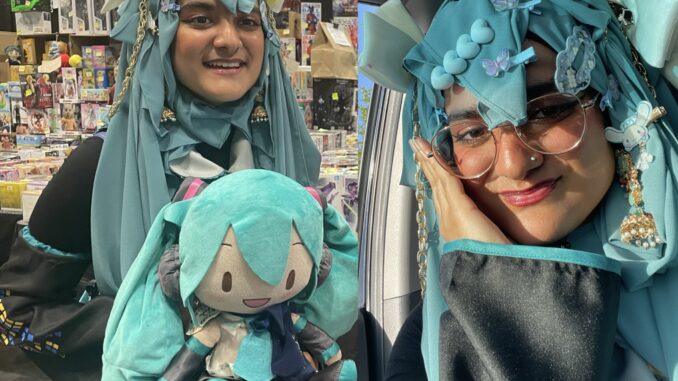
Growing up being a “nerdy” hijabi, a majority of the spaces that we entered regarding our interests were predominantly male and Eurocentric.
As we got closer to the people in these fan-based spaces, we weren’t seen for our interests or talents; we were seen as conservative, despite being open to all sorts of styles and views. However, in these fandom spaces, we would encounter all kinds of microaggressions, such as bringing up religion and asking ignorant questions, or even bringing up Middle Eastern politics.
We never get to experience the same liberties of being a girl in a fandom because we were only seen as hijabs.
For instance, the way we dressed and expressed ourselves was often scrutinized.
Whether we dressed in cosplay or wore baggy clothing and graphic tees, we didn’t fit the mold of a “typical Muslim girl.” We were expected to be closed-minded, not to have any interests or hobbies outside of religion, or, since we were part of fandom spaces, to leave our religion behind.
Since childhood, we’ve experienced alienation from wearing a hijab in all kinds of spaces, whether in public or within our own communities. It can be difficult to befriend other Muslim girls in those spaces due to our unique experiences with religion. Even now in adulthood, finding the balance between faith and pop culture can be a struggle.
We both grew up with anime and pop culture, even before wearing the hijab. Clothing and religion do not tie to anyone’s interests, and assuming nerds are thrown in the same circle, we’d all bond over our interests. Growing up, it was hard to notice or find other hijabi girls in fandom and nerd spaces, and even then, they were usually to themselves.
“Many Muslims are attracted to cosplay because they see dressing up as popular fictional characters as both an effective way of elevating modest fashion trends and a form of escapism,” stated Hafsa Lodi, regarding hijabi cosplayers and Muslims in fandom.
“As hijabis, we don’t often see ourselves represented in fiction, so we often have to try to imagine or write ourselves into the stories we love,’ says 22-year-old London-based journalist Shaheena Uddin, who has recently taken up cosplay as a hobby,” Lodi further reports.
Even in so-called “safe spaces” in fandom, we would still encounter microaggressions and be profiled at first sight, imprisoned by the assumptions of not just the ignorant racists, but the assumptions of self-proclaimed “progressive” fans who believed they knew us and our identities better than ourselves.
But, guess what: You don’t know us.
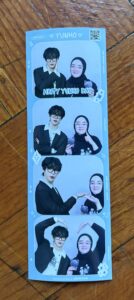
You don’t know how we feel about current politics and world affairs, just by looking at our hijabs. You don’t know our experience of wanting to put on our hijabs from a young age, or how supportive our parents are about our hobbies and interests. You don’t even know the fictional characters we cry over, all the collections of K-pop albums and manga we have, or the connections we’ve made by simply being fangirls!
So, to all the hijabi fan girlies: wear that hijab and graphic t-shirt of your favorite shows and bands with pride, hang those pins and keychains of your favorite fictional characters with confidence, express your faith and your interests with happiness!
In a world where people will judge, try to control what you wear, and how you express yourself, find that balance within, and don’t forget to smile! It’s sunnah!
No matter what religion you practice, do not let stereotypes or assumptions hold you down. We only live once, and we should spend our time being as nerdy as we’d like, regardless of what we practice.
As you grow, you will realize, as Korean pop singer Jung Wooyoung said, “I’m never alone and never will be.”
Spend this life worrying less about what other people think, and enjoy life. We promise you, there is nothing more freeing and liberating in this world than being a hijabi fan girl.