
By: Serena Edwards
When an artist produces a project, it not only reflects a part of them, but it is a piece of who they are. For many musical artists, their songs reflect pieces of their lives and the situations they have gone through. For fashion designers, they create shows and pieces that make a statement that stands true to their beliefs.
As a consumer of art, what are the boundaries taken to make sure that there is no support for artists who go against our moral compass?
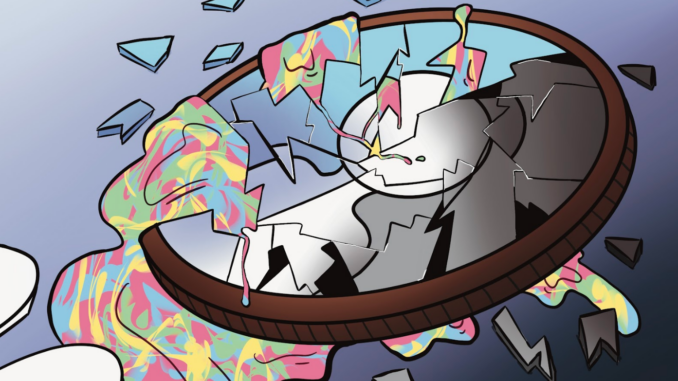
This has been an ongoing debate, which ultimately coined the phrase, “separating the art from the artist.” This phrase signifies artists not being held accountable for their actions by their fans for the sake of consumer satisfaction.
R&B singer Chris Brown announced his collaboration tour with Grammy-award-winning singer Usher. While Brown’s reputation has Usher fans questioning the collaboration, fans are still looking to purchase tickets, which contradicts the original concern and disgust toward Brown’s behavior. The pair has many hit songs, such as “New Flame”, “Party (Remix)”, and “Back to Sleep (Remix)”, which makes the tour enticing to fans.
Brown has a long history of being the perpetrator of domestic violence, with the most recognized incident being with his ex-girlfriend, who he dated from 2007 to 2009, global icon Rihanna. The couple, at the time, were leaving a party when they began arguing, which escalated into a physical altercation. This incident made headlines with Brown being sentenced to five years of probation and community service. But this wasn’t his only incident; his pattern continued from 2011 to 2015 with actress Karrueche Tran, which ended with a five-year no-contact order filed against him. He says he regrets it, but his patterns show otherwise.
Though fans recognize the dangerous patterns of his behavior, his tours still sold out, and his albums continuously hit the Billboard charts.
“During the Washington, D.C. leg of his Breezy Bowl XX tour, the R&B-pop singer reportedly became the first artist ever to sell out Nationals Park ‘three nights in a row,’ stated Parade.
In cases where you would hold friends and other colleagues accountable, artists are exempt from backlash because of the rose-colored glasses fans wear for their favorite creators.
But this isn’t the only artist who has never felt the financial consequences for their action. Kanye West, also referred to as Ye, has been known for making controversial and anti-semitic comments, some of which include but are not limited to: “Slavery was a choice” and naming a song that praised Nazi Germany leader, Adolf Hitler.
Ye has also featured a swastika on his commerce website, receiving backlash that he apologized for.
According to the New York Times (NYT), Ye expressed, “I am so sorry to have let you down […] “I’m not asking for sympathy, or a free pass, though I aspire to earn your forgiveness.”
But the sincerity of his apology faded quickly, with Ye’s actions reverting to the way they were before. His fans also fell short, with Ye selling out his latest concert in the SoFi Stadium in Los Angeles, following the release of his latest album, “Bully”.
All forms of art have faced scandals that are swept under the rug due to support from fans and other partnerships.
Fashion is another sector of art where, though the designer is problematic, people still choose to purchase from their brand. Famous designer brands like Gucci have perpetuated racial stereotypes through their clothing throughout the years.
In 2019, the brand released a “Blackface” sweater, which retailed for $890. The sweater featured a black turtleneck and included a red mouth design made to cover the customer’s mouth.
For context, Blackface was used in derogatory shows called “Minstrel shows” to push negative stereotypes towards the Black community.
The problems aren’t limited only to luxury brands; H&M, a brand whose prices are catered towards an average consumer, has also contributed to racial stereotypes. In 2018, H&M marketed a sweater that said “Coolest monkey in the jungle,” which was modeled by a young Black boy.
Social media voiced their outrage, which led H&M to take the photo down from their website, though the sweater was still available for purchase. This not only shows the power that fans hold but also the energy we should continue to have towards artists.
According to the BBC, “The company said: ‘This image has now been removed from all H&M channels, and we apologize to anyone this may have offended’.”
Though the brand was held accountable, sales are looking better than during the period of controversy.
“While the decrease reflects continued pressure on the business, it marks a less severe fall than in previous quarters. In short, it’s a sign that things put in place to recover may be starting to work,” according to Culted.
If we continue to support the brands or artists that have negatively impacted communities, we ultimately give the creator the “okay” for their behavior because of a lack of consequences. We have seen it time and time again, but the question is, “What can we do?”
Ultimately, the best way to go about this is to use your power and boycott. This not only holds the creator accountable but also enables the consumer to have power. We have been able to see the influence society has on how people act and treat others.
In the same way we hold our friends accountable for their conduct, artists, designers, and brands can not be exempt from that same level of scrutiny. We still contribute to their success and how they curate their projects. Art is not made to put others down or to spread negativity.
When brands use their platform for negativity, it is important as a consumer to let them know there is no support for that art.
Be mindful of the art you are consuming and ask yourself the question of whether or not you would support people in your circle if they did the same thing.