
By: Jocelyn Rios & Key Jones-Ford
Independent animations have come a long way from the genre’s humble origins.
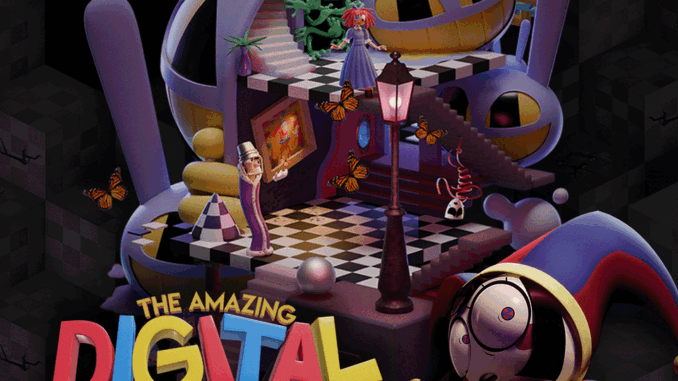
In particular, The Amazing Digital Circus (TADC) has opened the door for indie animation to compete with larger animation companies like Disney.
However, fans are opposing the niche genre’s rise to popularity, as their desire for independent animations to stay underground is as strong as ever.
TADC explores the story of a woman trapped in a digital game alongside five other humans. The characters face off against personal traumas and an Artificial Intelligence that toys with them and their journeys.
Created by Gooseworks and produced by Glitch Productions, it debuted on YouTube Oct. 13, 2023. TADC stood out not only for its surreal visuals and internet-style humor, but also for proving that independent creators could achieve mainstream-level success.
The pilot rapidly exploded across social media platforms like TikTok, X, and YouTube, gaining hundreds of millions of views and becoming one of the notable indie animated projects online.
The show’s success eventually expanded beyond YouTube, partnering with Netflix to stream episodes of TADC starting from Oct. 4 2024. This expansion included expanding the show’s reach to other regions and adding languages such as French, Spanish, and Russian.
TADC is nearing its end, with the ninth and final episode set to premiere on June 19, 2026. It was announced on April 10 that Gooseworks and Glitch Productions partnered with Fathom Entertainment to release the finale early in theaters, from June 4 to June 7, combining both Episodes 8 and 9 to be a full feature film titled “The Last Act.”
For many longtime animation fans, this was a huge moment. Independent animation has not always had the same opportunities as the animations of larger studios. They often have to contend with smaller production teams, streaming delays, and slower release schedules; they also risk their pilots failing.
However, not all fans were excited. Several expressed outrage over the theatrical release announcement, particularly regarding the two-week gap between the cinema premiere and the official YouTube release.
Many viewers feared spoilers would spread rapidly online without consideration for fans unable to attend screenings early. Others criticized Glitch Productions directly, accusing the company of “selling out” or of becoming “too corporate,” despite its continued independence.
Discussions across Reddit, TikTok, and X quickly became heated, with some fans even threatening to pirate the finale if it becomes unavailable in their region.
Still a growing genre, TADC is a special success story. To compare TADC with a contemporary in its category, Vivienne “Vivziepop” Medrano’s animated adult series Hazbin Hotel had its initial pilot released in 2019, yet its first season did not come out until 2024. Medrano has discussed the differences and learning curve of going from an amateur pilot to a full-fledged studio production. Hazbin Hotel was picked up by Amazon; its sister show, Helluva Boss, was not so lucky and was not picked up until 2023 by Amazon as well. Until then, Helluva Boss episodes were posted to YouTube with long gaps in between releases, not unlike TADC.
To see a popular YouTube show make its way to the big screen is a dream come true. However, not all fans are as excited.
Their fears aren’t entirely unfounded, as the culture and practices around spoilers have shifted. In the past, there were unspoken, but respected rules around posting spoilers. Marvel fans, for example, had a general rule around posting or even speaking about spoilers openly; you didn’t do so until the film was out of theaters. It not only allowed people time to see the film, but it was a community measure that was under the broader spectrum of using a tag system.
The tools that allowed that culture to exist are no longer common. Tumblr and DeviantArt offered a measure of anonymity and group responsibility; this internet culture is harder to exist with the disappearance of chronological feeds, working tags, and, most importantly, anonymity. Films going straight to streaming platforms during the pandemic meant that uploaded clips and stills were picked up by algorithms that prioritized popularity and views.
Other fans were upset that the theaters picking up the release were limited, as seats sold out quickly. Extra theaters were added with more viewings, and it was recommended that fans reach out to their local theaters to pick it up, but that didn’t cut it for some fans. The response from TADC fans was very effective.
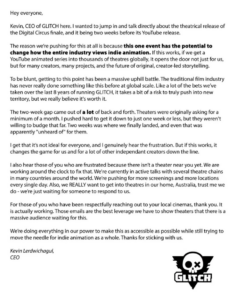
CEO of Glitch Productions, Kevin Lerdwichagul, released a statement regarding “TADC: The Last Act,” where he emphasized that the release was not simply for profit, but rather an opportunity that could impact the future of Indie animation as a whole. He also discussed the two-week gap between the theatrical and online debuts of the episodes.
“If this works […] it opens the door for not just [Glitch Productions], but for many creators, many projects, and the future of original, creator-led storytelling.” Lerdwichagul wrote in his statement.
Monroe and Gooseworks are just two of many artists who want their independent stories to see success. Shows like TADC and Helluva Boss live off of their fandom’s passion and viewership. Being posted on YouTube for free means their revenue is lower than what they would earn on a major platform. This is a test for the industry, and the fans are the litmus.
If TADC does well and the cinemas agree that such a release is beneficial to them, then future independent creators will have opportunities previously thought impossible.